
Missouri School Funding Crossroads
Missouri’s current school funding system was built in 2005, and like so many government frameworks, it has not grown or adapted with time. What was considered “adequate” twenty years ago now barely keeps the lights on in many districts. The formula was created in a different era - when gas was $2 a gallon, technology wasn’t essential for learning, and small-town schools could still afford full staff without cutting corners.
But in 2025, we live in a very different Missouri. The state’s official “adequacy target” (SAT) - the amount the state believes is enough to educate one child - sits at $7,145 per student. That number hasn’t kept pace with inflation, rising salaries, or the growing needs of today’s classrooms. The real cost, by the state’s own estimates, is closer to $10,000 - $13,000 per student, depending on which funding model is used. Yet schools are still funded as if it’s 2005.
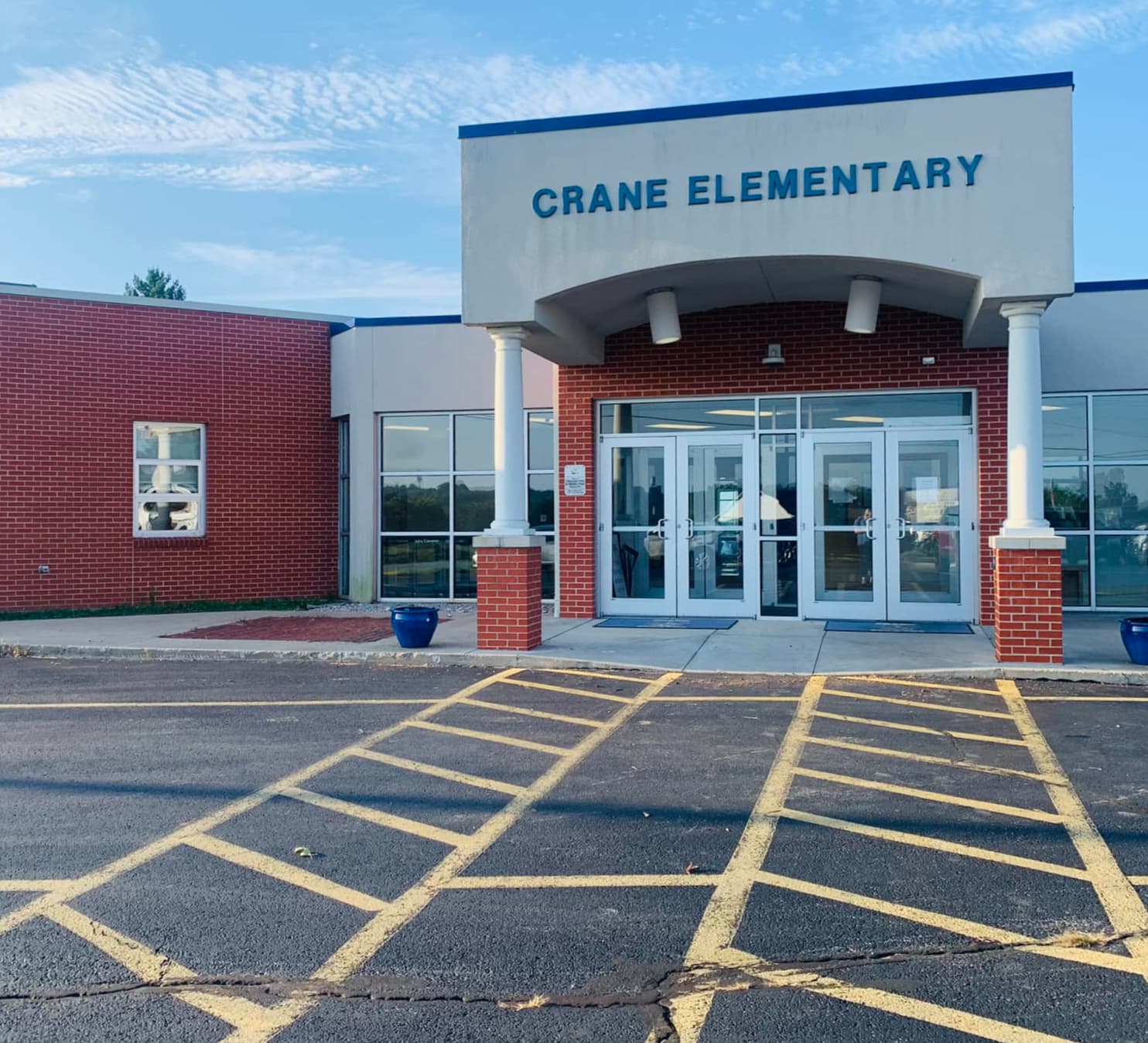
For small rural districts like Crane, Hurley, Galena, that shortfall means difficult choices every year. Do we add a teacher to reduce class sizes - or use that same money to patch aging buses and roofs? Do we update curriculum to meet new learning standards - or keep relying on older digital programs because they’re already paid for?
These are not hypothetical debates in Jefferson City. They’re everyday decisions in real classrooms that shape real lives.
The Attendance Problem
Missouri is one of only five states in the country that still bases school funding on Average Daily Attendance (ADA) rather than enrollment. That means a district with 600 students enrolled but a 92% attendance rate is only funded for 552 of them. The other 48 might be home sick, caring for younger siblings, or simply struggling with challenges beyond their control - but the district loses funding all the same.
Larger suburban districts - with higher attendance, more stable family structures, and bigger local tax bases - rarely feel the sting of this formula. But small rural districts do. When your budget depends on daily attendance, one bad flu season or a winter of icy roads can mean the loss of thousands in state aid. It’s a model that punishes schools for circumstances they can’t control and penalizes the communities that need help the most.
The School Funding Modernization Task Force is now exploring a move to an enrollment-based formula - funding every student a district is responsible for, not just those who make it through the doors every day.
That’s not a handout - it’s a reflection of reality. Schools must plan staffing, materials, and services around total enrollment, not perfect attendance. Switching to enrollment-based funding wouldn’t just modernize the system; it would stabilize it.
For Crane and similar schools, that shift could mean hundreds of thousands of dollars in consistent, predictable revenue each year - the kind of stability that allows districts to retain teachers, plan programs, and serve students better.
The Property-Tax Squeeze
At the same time, the legislature is advancing Senate Bill 3, which would let counties choose whether to freeze or cap property-tax growth. For homeowners, that sounds like relief. For schools, fire districts, and libraries - it’s a slow financial chokehold.
Public schools rely heavily on local property taxes to fill the gaps left by the state’s outdated formula. When local taxes are frozen, districts can’t grow their revenue base even as costs continue to rise. That might be sustainable in booming areas like Nixa or Republic, where new construction adds millions to the tax rolls each year. But in rural counties like Stone, where growth is modest, it’s devastating.
Stone County already participates in a senior property-tax freeze (SB 190, 2023) - a fair and targeted program to help aging homeowners stay in their homes. But SB 3 goes far further: by making the freeze or cap countywide, it would lock in tax rates for years to come, reducing revenue for schools and other public services that depend on those funds.
People like to say, “I shouldn’t have to keep paying taxes on something I already own.” But those taxes aren’t some distant, abstract payment to the state - they’re what fund the things that hold our communities together. They pay for the teachers who educate our children and grandchildren, the firefighters and police who respond when we call 911, and the roads and bridges that make small-town life possible.
A tax cap or freeze doesn’t hurt the “government”. It hurts communities - especially those that can least afford another hit.
The Performance Trap
There’s also talk among some lawmakers of moving toward performance-based funding - rewarding schools that score higher on state tests like the MAP. On paper, that might sound like “accountability”. In reality, it’s another way to funnel more money to schools that already have it, and less to those that need it most.
Districts that consistently post high scores tend to have one thing in common: resources.
They have more teachers per grade, full-time reading and math interventionists, curriculum specialists, and access to modern materials. Smaller, rural schools operate on thinner budgets and with fewer hands. Teachers cover multiple subjects and grade levels, manage behavior, handle communication, and often serve as the district’s front line for everything from technology help to counseling support.
To expect those schools to produce the same test results with half the resources isn’t accountability - it’s inequity dressed as reform.
You can’t tie funding to performance when the very lack of funding creates the performance gap. If Missouri truly wants better academic outcomes, it must invest first in equity - not punishment.
What Inequity Looks Like
The difference in resources between Missouri’s largest districts and its smallest ones isn’t hard to see - even without exact numbers. In well-funded suburban schools, students often learn in new facilities, use updated technology, and have access to specialized teachers, advanced courses, and robust extracurricular programs.
In many rural schools, the story looks different.
Older buildings, limited course offerings, aging technology, and teachers covering multiple subjects are common.
It’s not because rural students are less capable or their educators less dedicated - it’s because the funding formula simply doesn’t stretch as far when costs rise faster than revenue.
When state and local funding fall short, the result is visible in every classroom:
- Fewer teachers and aides to meet diverse student needs
- Limited or outdated learning materials
- Hard choices between academic programs, maintenance, and student services
- Growing disparities in opportunity between rural and suburban communities
These differences aren’t about effort or priorities - they’re about resources.
The Human Cost of Underfunding
Behind every statistic are real consequences. When budgets are cut, class sizes grow. When funding doesn’t rise, salaries stagnate - and teachers leave. When transportation money falls short, bus routes get longer and older buses keep running past their safe lifespan. When curriculum funds are frozen, students use outdated materials that don’t match the standards they’re tested on.
This isn’t theoretical. It’s the day-to-day reality in dozens of small districts across Missouri. Teachers stretch their personal budgets to buy classroom supplies or additional resources for their students. Administrators combine grades and cut electives. Students lose access to opportunities their peers in larger districts take for granted - robotics clubs, dual-credit programs, fine arts, even reliable Wi-Fi.
And yet, in spite of those challenges, rural educators keep showing up - because they know these schools are the backbone of their communities.
The Heart of Rural Schools
Numbers can show where funding falls short, but they can’t capture what truly keeps rural schools going: the people inside them.
In small districts like Crane, most staff aren’t just employees of the school - they are neighbors, parents, former students, and lifelong residents. They worship in the same churches, sit in the same bleachers on Friday nights, and shop in the same handful of stores on Main Street.
Rural school staff often make up in heart what their districts lack in dollars. When funding doesn’t stretch far enough, they stay late, get creative, share materials, and quietly spend their own money to make sure students have what they need. They work as hard as they can to make more out of less, not because anyone is forcing them to, but because these kids are theirs and this community is their home.
That level of commitment deserves to be matched with a funding system that recognizes the value of their work and gives them the tools to do it well.
A Moment of Decision
All of these discussions - new funding models, tax freezes, and performance incentives - point to one undeniable truth: Missouri is deciding what kind of future it wants.
We can continue treating education as an expense to be trimmed, or we can recognize it as the investment that keeps our communities alive. In small towns, the school is the heartbeat - the largest employer, the center of civic life, the one place where everyone still gathers on a Friday night. When we shortchange it, we shortchange everything that makes our rural communities worth living in.
As these statewide funding conversations continue, it’s critical that local voices are part of them. Rural districts must have a seat at the table - not just as statistics in a spreadsheet, but as living communities full of students, families, and educators who deserve to be heard.
Future talks with local legislators like Representative Burt Whaley and others across southwest Missouri will be essential to ensure that rural schools not only survive, but thrive.
Because if small districts disappear, so do the heartbeats of the communities they serve.
Our small schools are filled with bright, determined students who deserve the same opportunities and resources as their peers in larger, wealthier districts. They are the next generation of doctors, teachers, and community leaders who will shape the region long after we’re gone.
Ensuring they have a fair shot - through equitable funding, modernized policies, and sustainable local support - isn’t just about education. It’s about the future of rural Missouri itself.
Call to Action: Get Involved
Education policy isn’t written in a vacuum - it’s written by people we elect. If you care about the future of small schools, take five minutes today to find out who represents you in Jefferson City.
Send them an email. Attend a local listening session. Ask how they plan to support the schools that serve our small towns.
Your voice - as a parent, educator, or community member - is the most powerful tool rural Missouri has.
Because if we don’t speak up for our schools - our children - who will?